- New
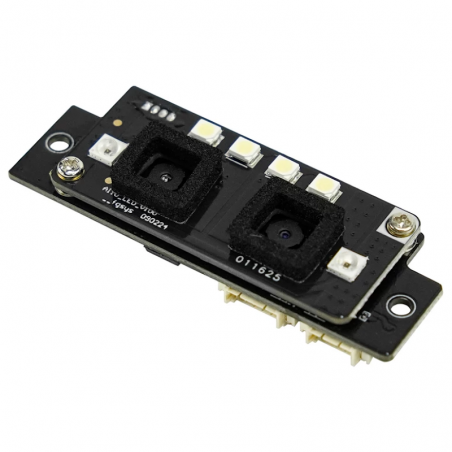

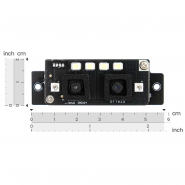
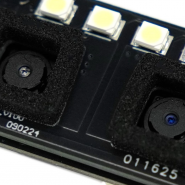
This powerful AI sensor does all the heavy lifting onboard—no host processing needed! With 3D liveness detection to prevent spoofing and local storage for 1,000 users, it's the perfect plug-and-play solution for secure access control, smart home devices, and self-service terminals. Just connect via UART and start creating.
If you want to know more about this product, please check the Wiki Page.
If you have any questions on this product please feel free to contact us.
*Disclaimer: The images are merely illustrative.
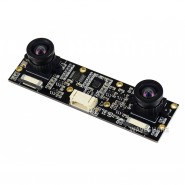
This AI binocular vision sensor is a standalone, multi-modal recognition module engineered for high-security and versatile identity authentication. It operates on a powerful onboard AI processor, utilizing dual color and infrared cameras to perform all computations locally. The core of its functionality lies in its three-in-one identification capability, integrating robust Face Recognition, secure Palm Vein Recognition, and universal QR Code scanning into a single, compact device. Key features include advanced 3D Liveness Detection for anti-spoofing, complete offline AI processing that eliminates any computational load on the host system, and local storage for up to 1,000 users. With its simple UART interface, this offline AI vision sensor is ideal for rapid integration into applications such as secure access control, smart home systems, and automated retail terminals.

Security is paramount in authentication systems. This face recognition sensor employs a binocular camera system (RGB + Infrared) to capture 3D depth information, enabling a sophisticated liveness detection algorithm. This technology effectively distinguishes a live person from a 2D representation, providing robust protection against spoofing attempts using photos or videos. With a Face Recognition False Acceptance Rate (FAR) as low as 0.001%, the module delivers a level of security suitable for critical access control applications.
The AI binocular vision sensor offers unparalleled flexibility by combining three distinct recognition methods. The deep learning-based face recognition provides fast, contactless access. For enhanced security, the palm vein and palm print recognition algorithm identifies the unique subcutaneous vein patterns, a biometric marker that is extremely difficult to replicate. Finally, the integrated QR code decoding offers a convenient solution for granting temporary access, processing payments, or device pairing, making the sensor adaptable to a wide range of operational requirements.
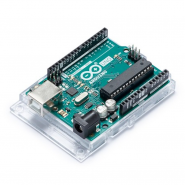
Equipped with a dedicated System-on-Chip (SoC) featuring a 0.5 TOPS Neural Processing Unit (NPU), the AI vision camera handles all complex AI algorithms internally. This "edge computing" design means it requires zero computational resources from the host device, allowing it to be controlled by any microcontroller, including basic models like an Arduino Uno. All user data, including 1,000 face and 1,000 palm vein templates, is stored and processed locally, ensuring system performance, data privacy, and functionality even without a network connection.
Designed for ease of implementation, the binocular camera communicates recognition results through a simple UART serial protocol, making it straightforward to integrate into both new and existing product designs. Furthermore, the USB interface supports the UVC (USB Video Class) protocol, allowing the module to stream video like a standard webcam. This dual functionality is invaluable for applications requiring video feeds for monitoring, visual confirmation, or building video intercom systems.

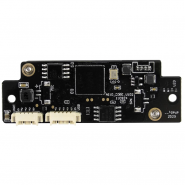
Figure: AI binocular vision recognition sensor hardware composition diagram
Binocular 3D liveness detection resists spoofing via photos/videos
Neural network-based algorithms: face recognition, palm vein recognition, QR code decoding
Local storage: 1,000 faces + 1,000 palm vein templates
Operates in complete darkness and non-direct sunlight outdoors
Zero host-computation requirement; all AI processing occurs offline on-module
Smart home systems
Smart door locks
Self-service retail payment terminals
3D face/palm vein payment systems
Palm vein authentication systems

SoC: Arm CPU@900MHz, NPU@0.5TOPS, RISC-V@600MHz
DDR2: 64MB
Flash: 32MB
Cameras: Dual 1/5” CMOS, 2MP, dual MIPI interfaces
Lens: FOV: 83° diagonal; optimal focus: 60cm
LED: IR@850nm, RGB@650nm (90° illumination)
USB: UVC video transmission (expandable to UAC); MJPEG output (H.264/YUY2 expandable)
Communication: UART@115200 baud
Supply voltage: 5-12V
Operating current: 320-330mA@8V
Standby current: 120–130mA (auto-detection mode)
Shutdown current: 0µA (non-auto-detection mode)
Operating temperature: -20°C to +60°C
Storage temperature: -30°C to +70°C
Humidity: 10–93% RH (non-condensing)
Audio I/O: Expandable (speaker/microphone)
Boot time: 900ms–2.5s (varies with stored user count)
User capacity: 1,000 faces; 1,000 palm veins
Algorithms: Binocular liveness detection, deep learning face recognition, palm vein recognition, QR code recognition
Liveness metrics:
FAR (False Acceptance Rate) ≤1%
FRR (False Rejection Rate) ≤1%
Face recognition:
Pass rate: 98.85%
FAR: 0.001%
Recognition angle: ±20° pitch/yaw; supports multi-angle enrollment
Detection range: Face: 30–120 cm, palm vein / QR code: 15cm
Dimensions: 57.8×20×10.12mm
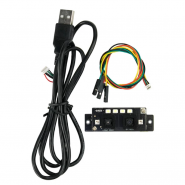
AI Binocular Vision Recognition Sensor (Face & Palm Vein & QR Code) ×1
1.25mm 4-pin to Dupont female connector cable ×1
USB data cable ×1

Related products
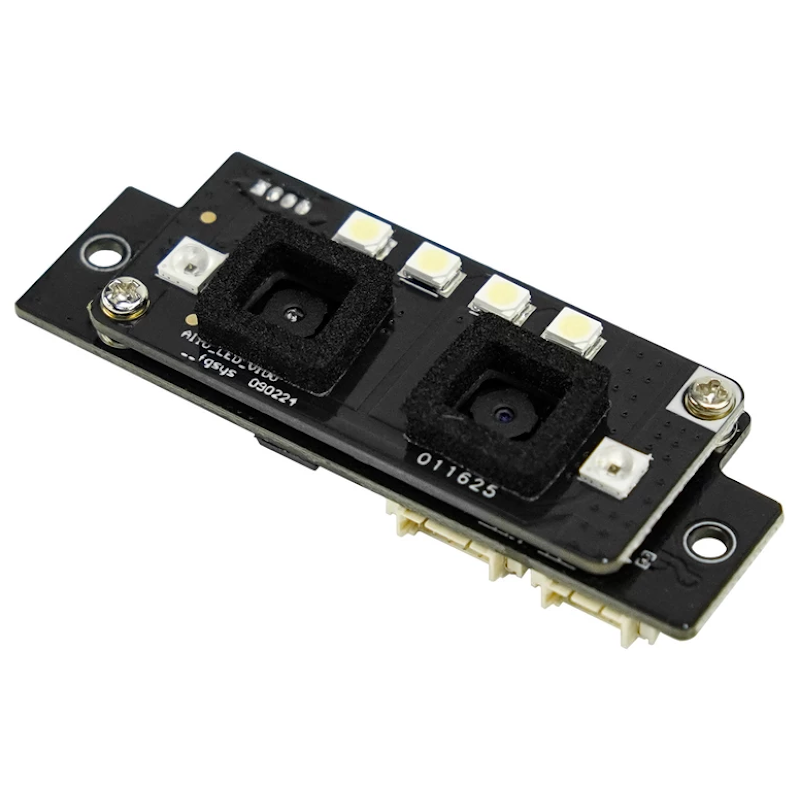
This powerful AI sensor does all the heavy lifting onboard—no host processing needed! With 3D liveness detection to prevent spoofing and local storage for 1,000 users, it's the perfect plug-and-play solution for secure access control, smart home devices, and self-service terminals. Just connect via UART and start creating.
If you want to know more about this product, please check the Wiki Page.